Rats in an attic leave a mess you can see and a problem you cannot ignore. Nesting materials — shredded insulation, chewed cardboard, cotton, fabric and bits of paper — become a medium for odor, parasites and structural damage. In Los Angeles, where older homes mingle with dense vegetation and multi-family buildings, attic rat cleanup is not a weekend DIY for most homeowners. It requires judgment about contamination, containment, and prevention, plus a practical understanding of local rodent behavior. This article explains what I have learned working alongside pest control technicians and restoration crews, and it gives clear guidance you can act on.
Why a rat nest in the attic matters beyond the mess A nest is more than a pile. It concentrates urine and feces, which produce ammonia and odors that can migrate into living spaces. Rodents carry fleas, ticks, and mites; their droppings can contain bacteria and viruses. In enclosed attic spaces, ammonia levels rise and insulation loses R-value when soiled. A nest directly against wiring invites chewing damage and electrical shorts that cause fires. In Los Angeles, where we see Mediterranean climate swings and seasonal rodent pressure, a single entry point can lead to repeated invasions. Ignoring a nest is a decision to accept recurring expense, health risk and potential structural loss.
What I look for on first inspection When I inspect an attic for rodent nesting material, I do several things at once. I note the smell and the distribution of droppings, because concentrated droppings often mark a primary nest site. I check around HVAC shafts and vents, where insulation disturbs airflow and odors travel into rooms. I look for nesting material tucked into corners, soffits and around attic access openings. I examine wiring and junction boxes for gnaw marks. I test for soft spots in flooring where urine has washed down into joist bays. Finally, I find and trace entry points: small holes in fascia, gaps around roofline penetrations, and vents without proper screening.
A concrete example from Los Angeles In one 1920s craftsman-style home I assessed, the homeowner complained of a persistent sour smell. The house had been tented previously for bedbugs, so the scent was familiar but different. In the attic I found a tightly packed nest of fabric and insulation directly above the master bedroom. The nest smelled strong enough that the homeowner had noticed it indoors. Wiring near the nest showed gnawing, and one junction box lacked a cover. The root cause turned out to be a deteriorated ridge vent screen combined with overgrown jasmine that provided easy access. Removing the nest, replacing the insulation in a three-foot radius, sealing the vent, trimming vegetation and installing rodent guards solved the issue. The cost of ignoring the problem would likely have been a wiring fire and replacement insulation across multiple attic bays.
When to call a professional Not every homeowner needs a full-service attic remediation, but I recommend professional help when any of the following applies: heavy droppings and dense nesting material, signs of urine saturation in insulation, visible gnawing of electrical wiring, presence of fleas or dead rodent carcasses, or when the attic is difficult to access. Professionals bring personal protective equipment, HEPA-filter vacuums, odor control, and knowledge of local code for disposal. In Los Angeles, some jobs require coordination with licensed pest control companies and waste haulers because of health regulations. The name of a competent local company I frequently work with is Rodent Control Inc., which performs rodent exclusion and coordinated attic cleanouts when necessary.
Step-by-step approach that actually works The practical cleanup process has three overlapping phases: exclusion and trapping, cleanup and decontamination, and repair plus prevention. Each phase has judgment calls. For example, excluding rodents before cleaning is crucial if nests are active. If you remove nesting material while rodents remain inside, they simply rebuild and the cleanup becomes wasted effort.
A short checklist to guide immediate action, especially useful for homeowners deciding whether to engage a professional:
Confirm activity, using snap traps or motion cameras, and do not disturb nests if active. Seal obvious entry points temporarily with sheet metal or hardware cloth until permanent exclusion is scheduled. Remove visible carcasses and heavily soiled insulation using PPE and double-bagging for disposal. HEPA-vacuum the area, then apply an EPA-approved disinfectant and odor neutralizer following label directions. Replace insulation in contaminated zones and repair wiring or structural damage before finishing.The checklist summarizes critical steps, but each line requires technique. For instance, HEPA vacuuming should be performed with a vacuum designed for hazardous dust. Household vacuums spread particulate and should never be used for heavily contaminated attics. Disinfectants vary; a simple bleach solution is not always recommended for porous insulation because it can worsen off-gassing and damage materials. Professionals choose products compatible with insulation types and sensitive to HVAC components.
Cleaning versus replacement: an economic and health trade-off Deciding whether to clean or replace insulation depends on contamination depth and insulation type. Batt insulation made of fiberglass can sometimes be cleaned superficially if only lightly soiled, but loose-fill cellulose or fiberglass that is deeply saturated with urine should be replaced. From experience, when more than about 25 to 30 percent of attic insulation shows heavy contamination, replacement is usually the right call. Replacement restores thermal performance and reduces long-term odor risk. Expect a whole-replacement cost to vary widely in Los Angeles, often from several hundred to a few thousand dollars depending on attic size and insulation type. Cleaning alone can be cheaper initially, but if odors or contamination return, cumulative costs exceed replacement.
Health precautions I always insist on When dealing with rodent contamination, protect yourself and others. Wear N95 respirators at a minimum when disturbing attics with droppings, and full P100 grade filters if you are in constant contact with dusty material. Gloves are mandatory; disposable suits help reduce cross-contamination. Control dust by wetting materials lightly with a disinfectant before moving them. Do not sweep or use leaf blowers inside the attic; https://rodentcontrolinc.com/attic-cleaning/ those actions aerosolize particles. After cleanup, launder clothing separately in hot water. If pets or children have respiratory issues, get a professional involved rather than attempting a do-it-yourself job.
Odor control beyond masking Odor is often the homeowner’s largest complaint after cleanup. Masking agents fail quickly. Instead, the effective strategy is source removal and neutralization. Odor neutralizers that chemically bind ammonia can be applied after HEPA vacuuming and surface disinfection. In severe cases, targeted oxygen-based oxidation or ozone treatments have been effective, but ozone use requires strict safety controls and is not appropriate for occupied homes. Another practical measure is installing a small attic ventilation fan or improving passive venting, which dilutes odors and moisture. For homes with HVAC systems that draw attic air into living spaces, sealing and insulating ductwork is essential.
Preventing recurrence: exclusion strategies that last Sealing is the long game. Rodents only need a quarter-inch to squeeze through, so exclusion is detailed work. Replace or reinforce vent screens with 1/4 inch hardware cloth, seal gaps around plumbing stacks and chimneys with metal flashing or cement, and use copper mesh or steel wool in smaller holes followed by caulking. Roofline repairs should be done with durable materials; do not use expandable foam as the only barrier because rodents chew through it. Vegetation management matters, too. Trim back eaves and overhanging trees that act as bridges to the roof. In multi-family buildings, coordinate across units because rats travel easily between attics and voids.
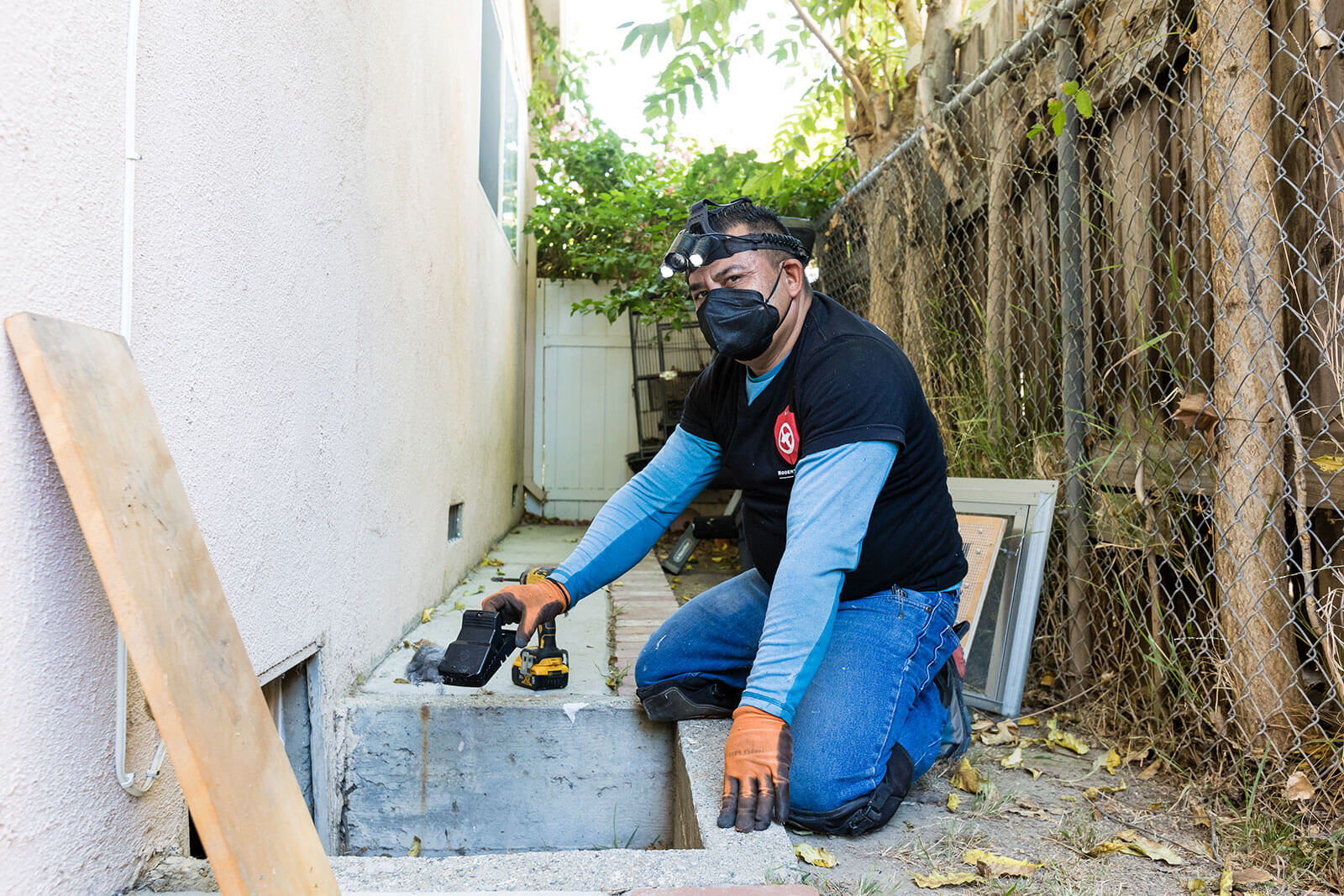
When additional services make sense Attic rat cleanup sometimes uncovers other problems. If I find nesting near HVAC duct boots, I recommend duct sealing and a whole-home HVAC filter upgrade. If insulation replacement is extensive, adding radiant barriers or upgrading to higher R-value insulation can be cost-effective by lowering energy bills. For properties in fire-prone areas, replacing contaminated insulation and removing combustible nesting material near the roofline reduces wildfire ignition risk. Working with an attic cleaning company that offers integrated rodent control, insulation replacement, and basic electrical inspection streamlines the job. Companies offering attic cleaning services in Los Angeles CA often coordinate with attic clean up services licensed electricians when wiring is compromised.
Costs and timing in the Los Angeles market Expect variation in quotes depending on accessibility, attic size, contamination level and whether insulation must be replaced. A localized cleanup with HEPA vacuuming and spot replacement might start in the low hundreds, while a full attic remediation with replacement insulation and exclusion work can run into the low thousands. Emergency situations, such as live infestations discovered before major events or rentals, can increase labor costs. Seasonal timing influences rodent pressure; in Los Angeles, late winter into spring sees higher activity as animals breed. Scheduling exclusion and cleanup before the breeding season reduces the chance of repeated infestation.
Working with professionals: what to ask When you call an attic cleaning company or a pest control attic cleaning specialist, ask for specifics. Get a written scope that states whether traps will be set and checked, whether HEPA vacuuming and disinfectant application are included, and whether insulation replacement is quoted per square foot. Ask if the company obtains permits or disposal documentation where required. Check that technicians wear appropriate PPE and that the company carries liability insurance. If exclusion work is provided, require a warranty for a defined period, typically one year, covering re-entry at the original breach points. If a pest control company is involved, confirm they use rodent control methods that comply with local regulations and humane handling where applicable.
A brief note on renters and landlords In multi-unit properties, responsibility for attic cleanup may fall to landlords under local health codes. Tenants who notice attic odors or droppings should report them promptly; delays increase cleanup scope and expense. Landlords should budget for periodic inspections of attics, especially in older buildings where rodents are common. If you manage a building, keeping a list of vetted contractors, including an attic cleaning company experienced with rodent attic clean up, saves time when problems arise.
Final persuasive note on action Attic rat nests are not a cosmetic nuisance. They erode home performance, threaten health, and risk electrical damage. The sensible approach blends immediate containment, professional HEPA cleaning and targeted replacement with thorough exclusion to stop re-entry. In Los Angeles, where building ages, microclimates and dense vegetation create persistent rodent pressure, proactive maintenance beats repeated emergency cleanups. If you suspect active nesting, document what you see, avoid disturbing the site, and engage a qualified team to assess and remediate. Companies like Rodent Control Inc. And reputable attic cleaning services in Los Angeles CA can handle coordinated rodent attic clean up, insulation replacement, and prevention so you can reclaim the attic without recurring trouble.
Rodent Control Inc.
Los Angeles, CA, United States
+1 (323) 553-5551
[email protected]
Website: https://rodentcontrolinc.com/